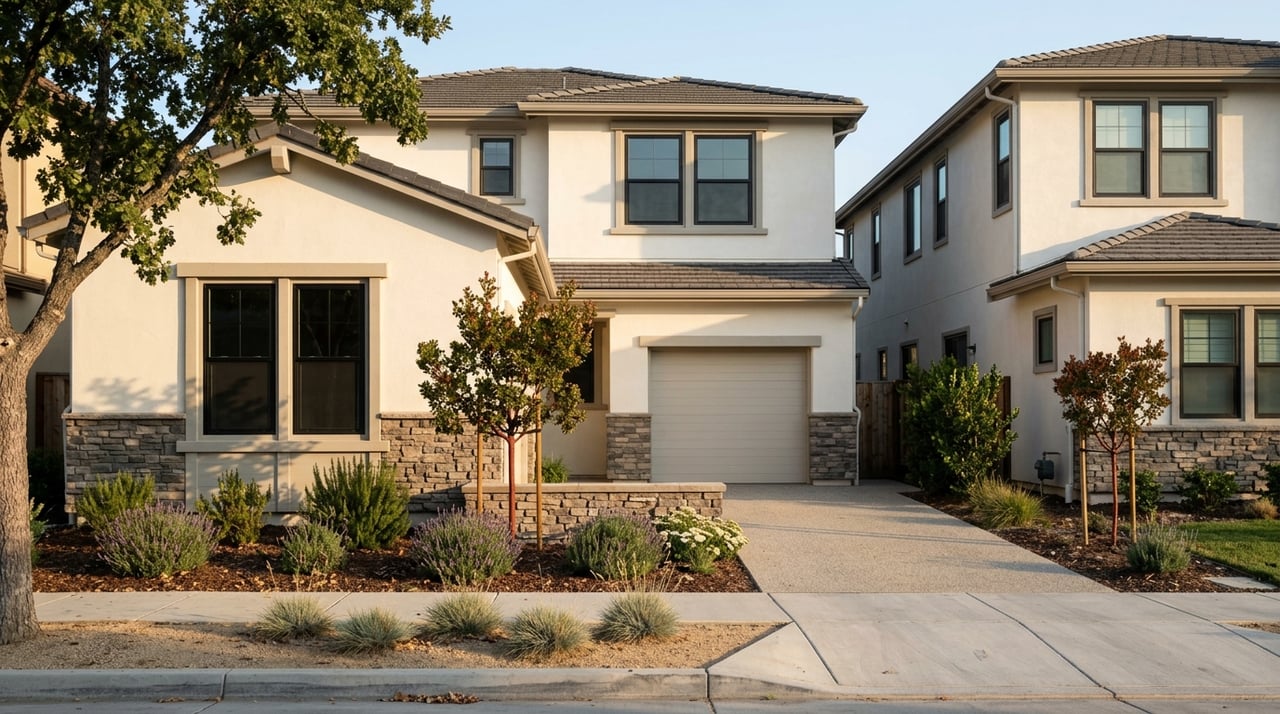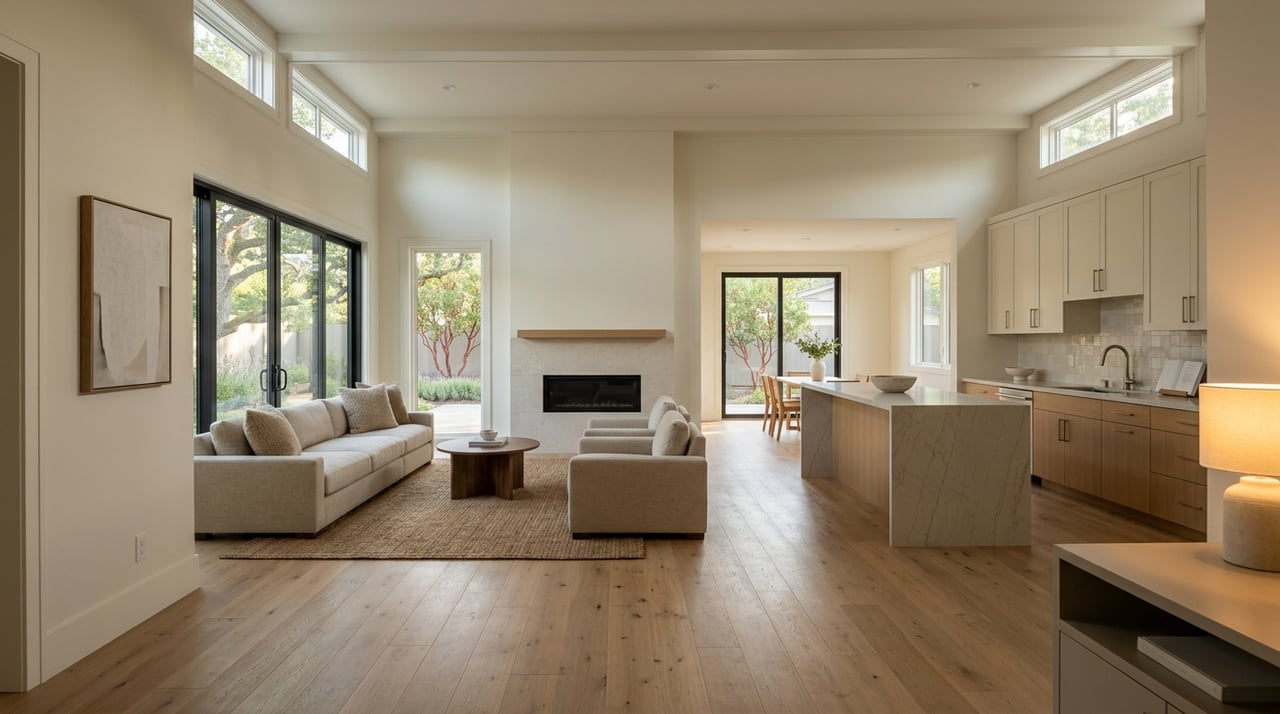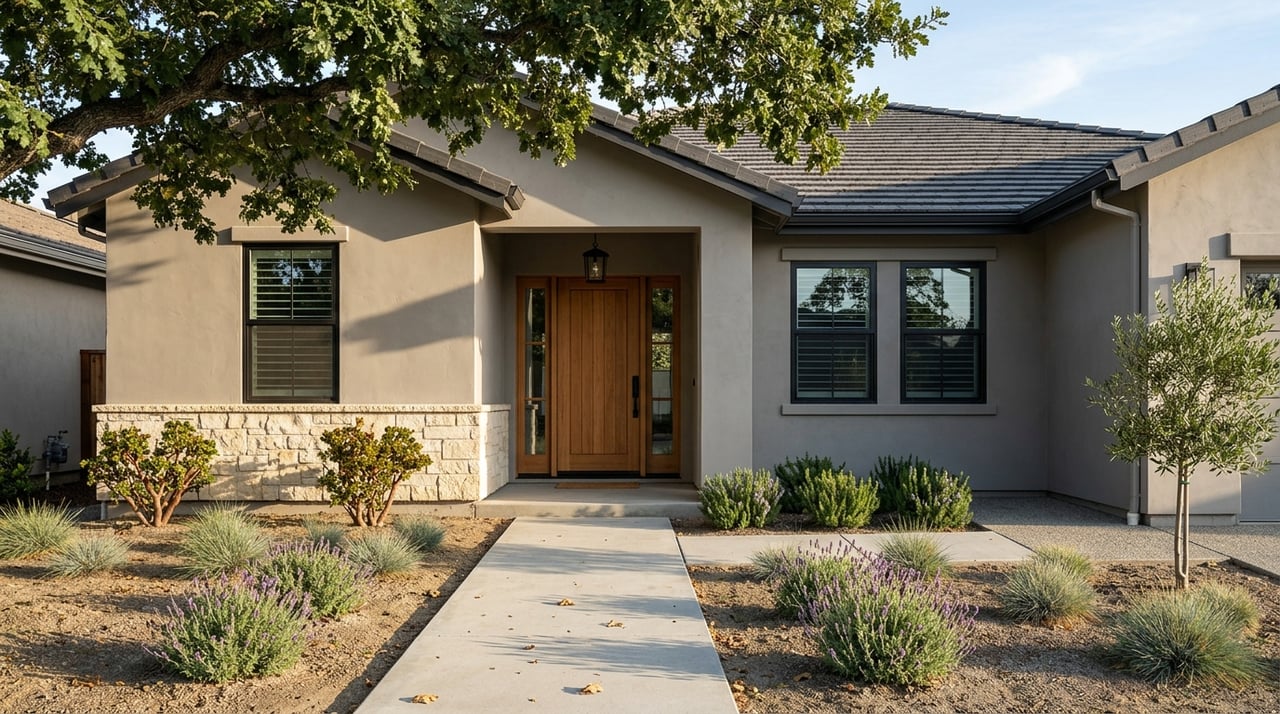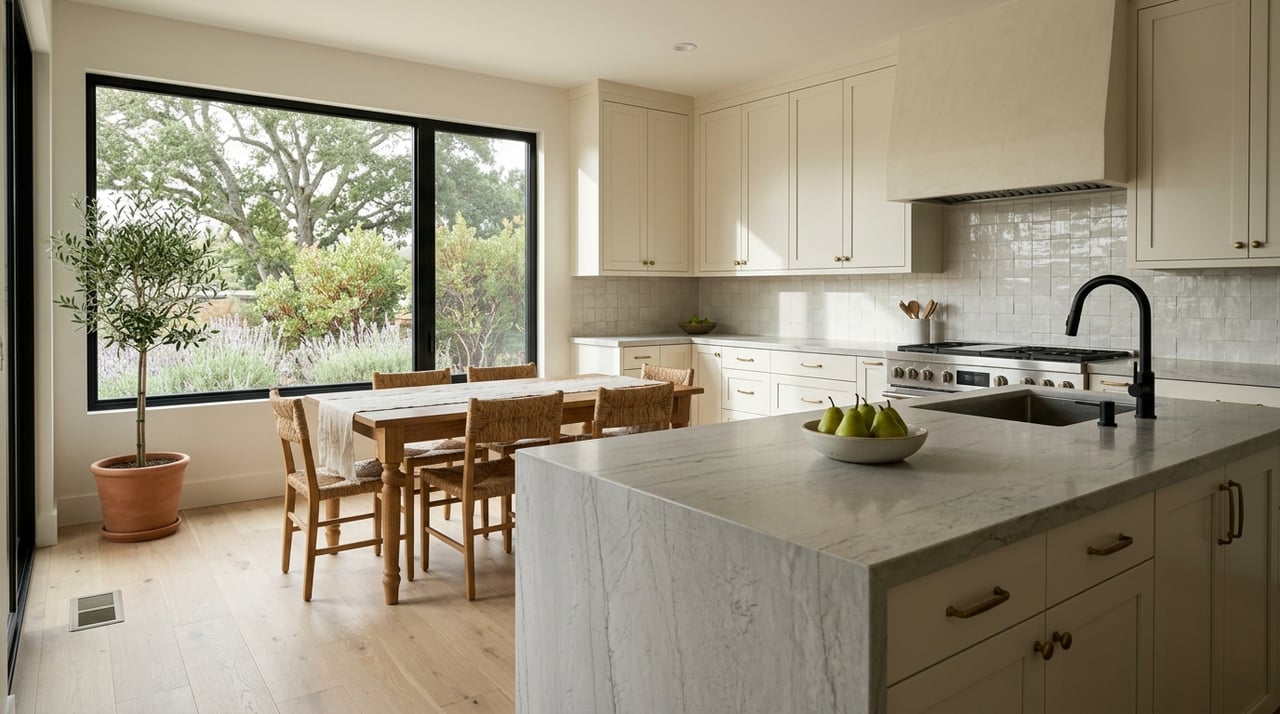
Thinking about building a custom home in Copper Valley? It can be an exciting move, but it also comes with more moving parts than many buyers expect. If you want to avoid surprises, protect your budget, and choose the right lot from the start, it helps to understand how local rules, utilities, grading, and wildfire planning all fit together. Let’s dive in.
Start With the Rules First
Before you fall in love with a lot, make sure you know which documents and approvals will shape the project. In Copper Valley, a custom build may be influenced by county planning documents, tract-level rules, and property-specific recorded documents.
Calaveras County’s Copperopolis Community Plan focuses on compatible development, rural character, wildfire minimization, and stormwater- and groundwater-sensitive design. The county also lists the Saddle Creek Specific Plan among its current community and special plans. That means your build may involve more than one local agency or review process.
The Copper Valley Community Services District, or CSD, says it handles roads, storm drains, and landscape, wildlife, and wetlands easements. It also states that it does not control the golf course, lodge, fitness center, or the design of the development itself. For many buyers, that is an important distinction because site rules, design standards, and ownership responsibilities may be split across different entities.
Review CC&Rs, Maps, and Easements
A lot may look straightforward on paper, but the recorded documents tell the real story. Before making an offer, review the subdivision map, CC&Rs, easements, and any design guidelines that apply to the property.
The CSD and Saddle Creek Architectural Design Committee require new sites to post construction rules and sign an acknowledgement before construction begins. The homeowner also remains responsible for following the Design Guidelines and CC&Rs. In other words, compliance does not rest only with your builder.
Road maintenance is another detail worth verifying early. In a 2025 CSD resolution about Quail Hollow Lane, the district concluded that the lane is a private street owned by the Lodge Bungalows HOA as common area, while the CSD’s role was limited to pedestrian and storm-drainage easements. That is a good reminder not to assume who maintains a road or common area without checking the documents.
Evaluate the Lot Beyond the View
Views, privacy, and lot size matter, but they are only part of the picture. You also want to understand access, slope, drainage, grading needs, and whether there are wetlands or easement constraints that could affect where and how you build.
The CSD says Saddle Creek was developed around both preexisting wetlands and wetlands created as part of development, and those wetlands must be maintained under permit requirements. The Copperopolis Community Plan also encourages design that captures stormwater, supports groundwater recharge where practical, and preserves scenic resources and mature trees when feasible.
That means a lot with beautiful natural features may also require more planning. A site that seems ideal at first glance could carry added design, engineering, or maintenance considerations once you look at drainage patterns and protected areas.
Ask These Questions Before You Buy
If you are considering a vacant lot in Copper Valley, it helps to confirm a few basics before escrow moves too far:
- Who owns and maintains the road access?
- Are there CC&Rs, tract rules, or design guidelines?
- Are there drainage issues, slope challenges, or grading needs?
- Do wetlands, easements, or setbacks affect the buildable area?
- Does the property already have access to water and sewer, or will new service steps be needed?
- What ongoing maintenance costs apply if the lot stays vacant for a while?
These questions can save you time, money, and stress later. They also help you compare lots more realistically.
Budget for More Than Construction Costs
One of the biggest mistakes buyers make is budgeting for the house but not the full path to get there. In Copper Valley, your budget may need to include permits, grading, utility setup, lot clearing, weed abatement, and ongoing fire-prevention maintenance.
Calaveras County’s Building Department uses the e-TRAKiT system for permits, inspections, and payments. On the grading side, Public Works says a grading permit is generally required when earthmoving exceeds 50 cubic yards. If work exceeds 1,000 cubic yards, engineered plans are required, and if more than one acre is disturbed, stormwater permit coverage is required.
Public Works also says complete grading permit submittals are generally processed in about 30 days. Minor grading deposits currently start at $963, or $1,313 if a professional engineer must certify the work. For sloped or complex lots, those early site costs can become a meaningful part of your total budget.
Confirm Water, Sewer, Wells, and Wastewater
Utility planning should happen early, not after you have already committed to the lot. If you are buying land for a custom home, do not assume the water and sewer situation is simple.
Calaveras County Water District, or CCWD, provides water and sewer service for Copperopolis-area customers. CCWD says temporary water service may be available for unimproved properties for construction, agricultural, or irrigation use, but not temporary sewer service. It also says permanent service requires proof of a valid building permit plus payment of applicable connection and equivalent assessment fees.
CCWD also notes that service lines from the main line to two feet from the building foundation are inspected by the district. Repairs from the meter or property-line cleanout to the building are the owner’s responsibility. That is useful to know when planning both installation and future maintenance.
If a property needs a well or on-site wastewater review, Calaveras County Environmental Management becomes part of the process. The county says the well program requires a permit before a new well is drilled or work begins on an existing well, along with a plot plan and three inspections over the life of the permit. The county’s on-site wastewater program exists to protect surface water and groundwater, which makes site-specific review an important part of due diligence.
Understand Construction Site Rules
Once construction is approaching, local site rules can affect your schedule and coordination. Copper Valley’s construction site rules require all sites to post the rules, and new sites must sign an acknowledgement before work begins.
The rules also limit construction hours and require USA locates before excavation. If hydrant water is used, a CCWD hydrant is required. Debris must be contained and removed weekly, and the homeowner remains responsible for compliance with the applicable Design Guidelines and CC&Rs.
These are practical details, but they matter. Delays often happen when buyers assume the builder will handle every requirement automatically.
Plan for Lot Clearing and Vacant-Lot Costs
If your lot will sit for a while before building starts, ownership still comes with responsibilities. In Copper Valley, fire prevention and lot maintenance are part of the cost of holding vacant land.
The CSD says it arranges weed abatement for undeveloped lots to reduce fire risk, with mowing typically starting in April and ending by late June or early July. Its current vacant-lot information says the district’s abatement charge is $77 per empty lot if the owner chooses district service.
If you plan to clear vegetation yourself or through a contractor, local burn rules also matter. Calaveras County’s burn information says Copperopolis residents can use a dedicated information line, and debris burning rules include requirements for pile size, clearance, and supervision. That means clearing a lot may involve timing, permits, and safety rules beyond your contractor’s calendar.
Treat Wildfire Readiness as a Build Priority
In Copper Valley, wildfire planning is not optional background information. It should be part of your lot review, your design decisions, and your long-term ownership budget.
CAL FIRE says wildfire readiness includes both home hardening and defensible space, including the required 100 feet of defensible space around a home. The State Fire Marshal’s wildland-urban-interface guidance also sets minimum standards intended to help homes resist embers and flames, with local building officials confirming the exact requirements for the area.
The Copperopolis Community Plan says new development should minimize wildfire ignitions, use evacuation routes, and include fire-safety measures. Copper Valley is also recognized by the CSD as a Firewise community. Put together, these standards point to a simple truth: wildfire readiness affects materials, landscaping, maintenance, and inspection readiness from day one.
CAL FIRE also recommends checking with the local building official before modifying vents or other exterior components. On a custom home, those details can play an important role in how the home performs over time.
Build in the Right Order
If you want the process to feel more manageable, think of custom-home planning in a clear sequence. Start by verifying the lot and recorded documents, then confirm utilities and grading needs, and finally budget for wildfire-safe construction and ongoing maintenance.
That sequence fits how custom builds are typically shaped in Copper Valley. It also helps you ask better questions before you commit to a property that may look great but carry hidden costs or restrictions.
Working with a local real estate professional who understands unimproved lots, community rules, and the Copper Valley approval landscape can help you narrow down the right parcel faster. If you are comparing lots, exploring a second home, or planning a future custom build, Elly Bermudez can help you evaluate your options with local insight and personalized guidance.
FAQs
What should you verify before buying a lot in Copper Valley?
- Review the subdivision map, CC&Rs, easements, road ownership, drainage conditions, and whether the lot has usable access to water and sewer.
Who approves a custom home build in Copper Valley?
- A build may involve the Calaveras County Building Department, Public Works, Environmental Management, CCWD, and the Copper Valley CSD or Architectural Design Committee for tract-specific rules.
Can you get water service before the home is built in Copper Valley?
- Yes, CCWD says temporary water service may be available for unimproved properties for construction, agricultural, or irrigation use, but permanent service requires a valid building permit and applicable fees.
Do you need a grading permit for a custom home lot in Calaveras County?
- Often yes, especially if earthmoving exceeds 50 cubic yards. Engineered plans are required above 1,000 cubic yards, and stormwater permit coverage is required if more than one acre is disturbed.
Are there costs if your Copper Valley lot stays vacant?
- Yes, vacant-lot ownership can include weed abatement and other fire-prevention maintenance. The CSD says its current abatement charge is $77 per empty lot if the owner chooses district service.
How does wildfire planning affect a custom home in Copper Valley?
- Wildfire planning affects defensible space, exterior materials, landscaping, maintenance, and final approval readiness. CAL FIRE says homes need 100 feet of defensible space, and local officials confirm area-specific code requirements.